Species Playbooks
Coastal Cutthroat Fly Fishing Basics
A simple starting point for finding and fishing coastal cutthroat in Pacific Northwest rivers, beaches, and estuaries.
- Beginner
- Oregon Coast
- Western Washington
- British Columbia
- Spring
- Summer
- Fall
- Coastal Cutthroat
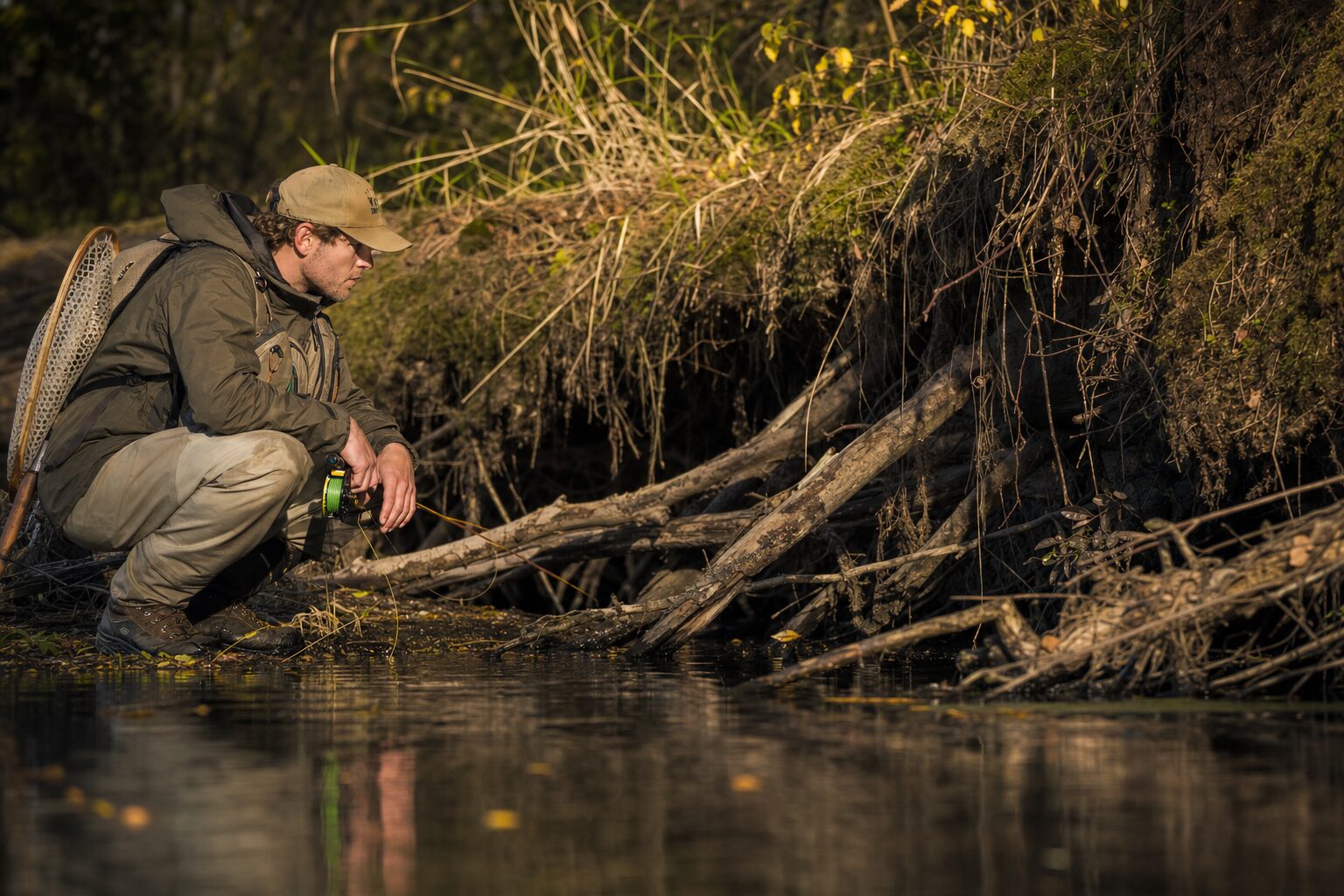
Coastal cutthroat are one of the Pacific Northwest's most interesting fly rod fish. They can move between rivers, estuaries, and beaches, and they often reward anglers who search thoughtfully.
You do not need a complicated setup to begin. You need observation and movement.
Quick Read
For coastal cutthroat, think:
- Search, do not camp
- Watch bait and current
- Fish edges and travel lanes
- Keep flies sparse
- Move after quiet water
- Check current regulations before targeting any water
The best cutthroat water often looks ordinary until you notice movement, food, or a subtle current change.
Think Like A Searcher
Coastal cutthroat are often scattered. Instead of camping on one spot all day, look for signs:
- Baitfish
- Current seams
- Tidal movement
- Cut banks
- Wood and cover
- Birds or surface disturbance
- Small rises or nervous water
If the water gives no feedback, move.
Search does not mean rushing. It means fishing each promising piece with intent, then leaving when it stops making sense.
River, Estuary, Or Beach?
Coastal cutthroat can be encountered in different kinds of water, and each asks for a slightly different mindset.
In rivers, look for soft current near cover, undercut banks, woody structure, and places where food funnels naturally.
In estuaries, current and tide become more important. Fish may travel through rather than hold in one obvious place all day.
On beaches, structure can be subtle: points, eelgrass, current seams, troughs, drop-offs, and bait movement.
The shared rule is simple: find food, movement, and a reason for fish to pass through.
Keep Flies Sparse
Many productive cutthroat flies are simple:
- Small baitfish patterns
- Reverse spiders
- Soft hackles
- Rolled muddlers
- Small streamers
- Skating dries when fish are looking up
Presentation and location usually matter more than having the perfect pattern.
Sparse flies often move better and suggest food without looking heavy or lifeless. Cutthroat can be willing, but they still respond to a fly that behaves naturally.
Fish The Edges
In rivers and estuaries, cutthroat often use edges where food collects and current speed changes. On beaches, they may cruise within casting range when tide, bait, and structure line up.
Good water may not look dramatic. It may simply have movement, food, and a reason for fish to pass through.
Before casting, watch for five minutes. Look for bait, surface dimples, birds, or current changes. The first clue is often small.
Use A Simple Setup
A 4 to 6 weight rod with a floating line can handle many cutthroat situations. Add an intermediate line later if beach or deeper estuary fishing becomes a regular part of your season.
A practical first setup:
- 5 weight rod
- Floating line
- 9 ft leader
- 3X to 5X tippet depending on fly size and water
- Small baitfish, soft hackles, and surface patterns
- Polarized glasses
- Rain shell
Start simple, cover water, and pay attention to where fish show themselves.
Common Beginner Mistakes
Avoid these:
- Staying too long in dead water
- Fishing flies that are too bulky
- Ignoring tide or current movement
- Wading through near-shore travel lanes
- Casting before watching
- Assuming cutthroat need dramatic water
Coastal cutthroat reward curiosity. Fish the obvious places, but do not ignore the quiet edges.