Pacific Northwest Fly Fishing

Plan smarter days on moving water.

FlyFishly helps anglers read seasons, choose water, and build practical plans for Oregon, Washington, Idaho, and British Columbia.

Plan Match region, season, species, and skill level. Explore Learn how PNW water changes by landscape. Prepare Build simple plans for realistic conditions. Learn Strengthen the basics without overthinking.

Interactive Tool

PNW Trip Planner

Set a few field conditions and get a starting plan: water type, likely tactics, flies, gear notes, and what to watch before you go.

Your Starting Plan

Summer trout on PNW rivers

Go early

Oregon Cascades Summer Trout River

Start early, focus on shaded seams and oxygenated riffles, and carry a dry-dropper setup with a small streamer option if light stays low.

Primary Tactic

Fish shaded seams with a dry-dropper and keep the first drift clean.

Backup Move

If the first water goes quiet, change angle or move before changing everything.

Best Timing

Start early, watch water temperature, and keep the first plan simple.

Flies To Start

Caddis, parachute mayfly, pheasant tail, perdigon, small woolly bugger.

Simple Rig

4-5 weight rod, floating line, 9 ft leader, tippet from 4X-6X.

Why This Plan

This starting point balances season, water type, target species, and skill level.

Watch Closely

Afternoon heat, abrupt flow changes, and fish holding in faster oxygenated water.

Change Plans If

Water warms too much, visibility collapses, or the first good water gives no feedback.

Before You Go

  • Check current regulations and closures
  • Check flow, clarity, and weather trend
  • Pick one primary tactic

Matching Guides

PNW Waters

Different landscapes, different decisions.

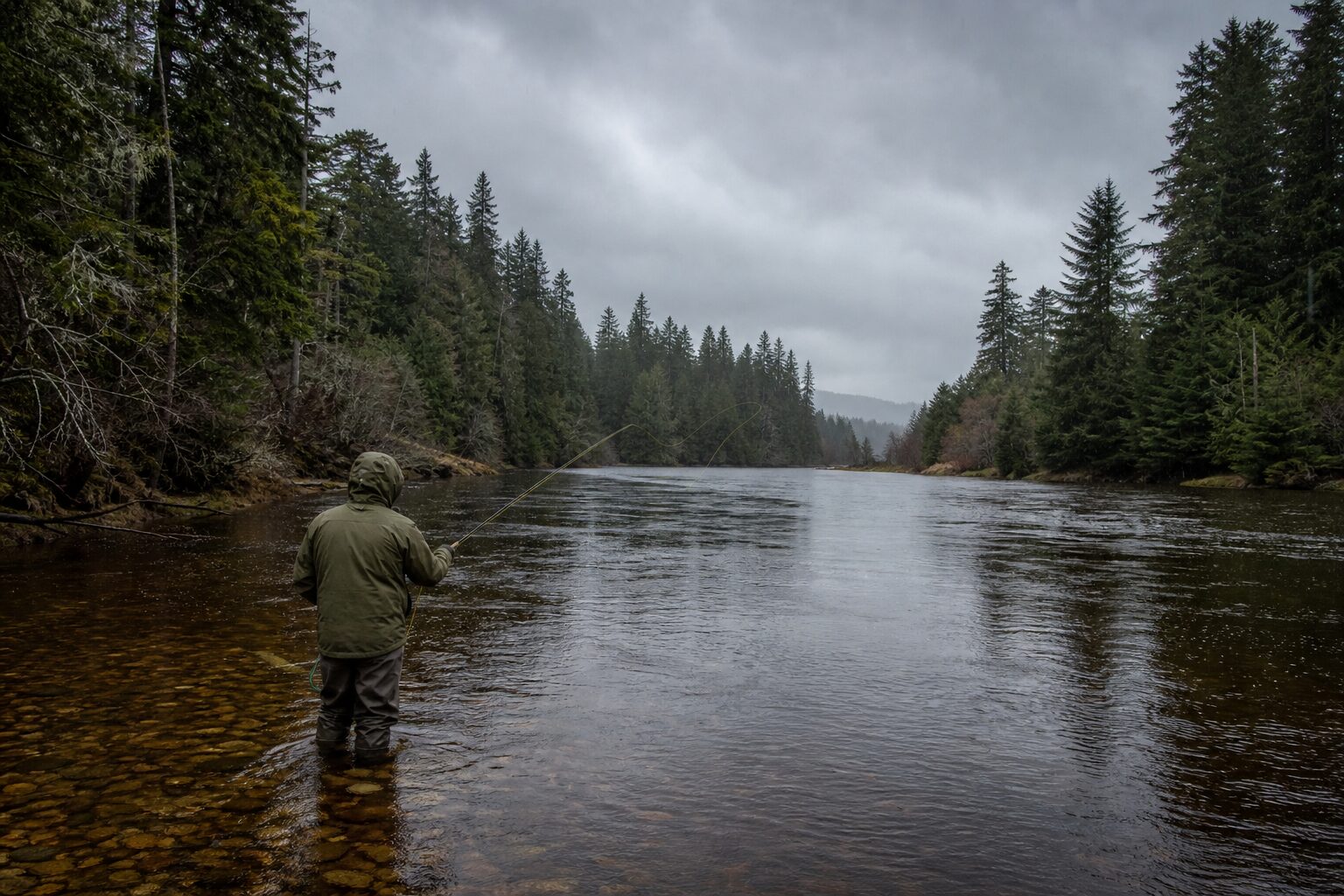
Fly angler casting on a misty Pacific Northwest coastal river

Coastal Rivers

Rain, clarity, tide influence, and short weather windows make timing more important than fly choice.

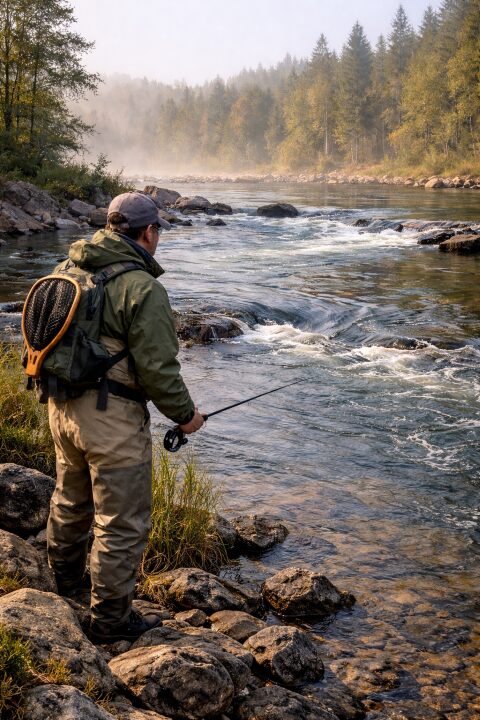
Angler standing beside a riverbank

Cascade Streams

Gradient, shade, pocket water, and summer temperature swings shape where trout can feed comfortably.

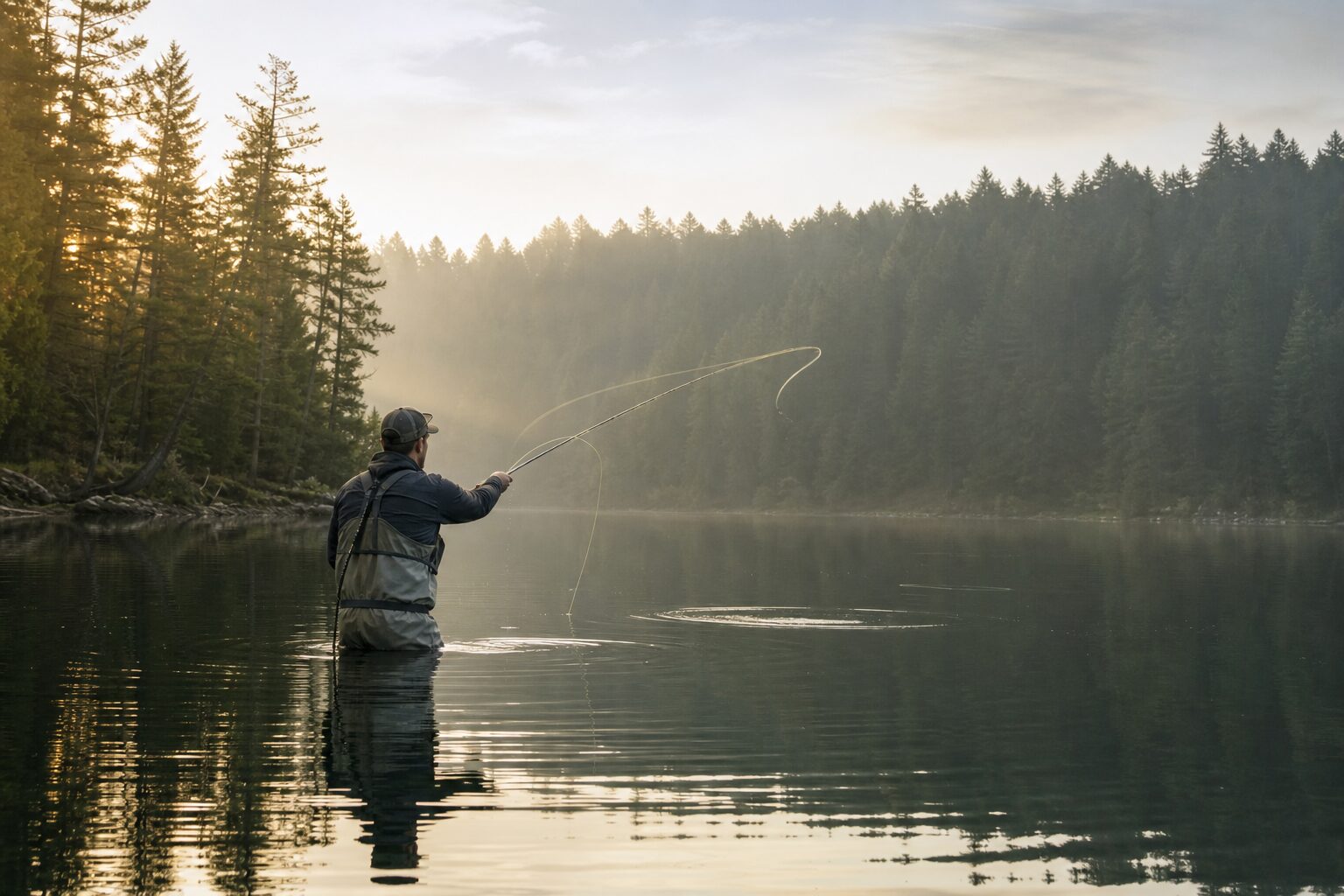
Fly angler casting on a calm Pacific Northwest lake at dawn

Stillwaters

Lakes reward patience: wind lanes, depth, shoreline cover, and seasonal insect movement matter most.

Seasonal Thinking

What the calendar usually changes.

Winter

Patience and windows

Watch flows, clarity, road access, and fish slower water when conditions settle.

Spring

Runoff and emergence

Expect changeable water, hatches between weather systems, and fish moving toward softer edges.

Summer

Light and temperature

Fish early, protect cold-water species, and shift toward shade, riffles, and higher elevations.

Fall

Clarity and intent

Cooler nights, lower light, and active fish make fall the season for deliberate coverage.

Field System

Simple choices before complicated fly boxes.

The redesigned FlyFishly organizes guidance around decisions anglers actually make: whether to go, where to start, what to carry, and when to change tactics.